




























Warm Up in Style: The Ultimate Guide to Heated Towel Rails
A Complete Guide to Heated Towel Rails in Australia: Types, Efficiency, and Design Options
Heated towel rails have become a staple in modern Australian bathrooms, offering not just a touch of luxury but also practical benefits like faster towel drying, mould prevention, and added warmth during cooler months. Whether you're building a new home or upgrading your bathroom, choosing the right heated towel rail involves understanding the different types available — particularly electric heated towel rails and liquid-filled (hydronic) heated rails — along with key considerations such as energy efficiency, performance, longevity, and style.
In this guide, we’ll break down the most popular types of heated towel rails in Australia, compare their pros and cons, and explore current trends in colour and layout so you can make the best choice for your space.
Types of Heated Towel Rails
1. Electric Heated Towel Rails (Dry Element)
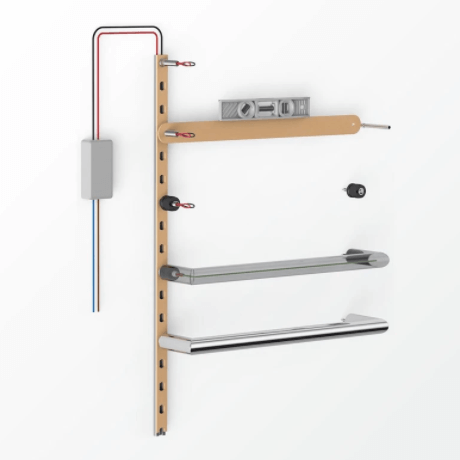
Electric towel rails are the most common type found in Australian homes. These models use a dry heating element (typically a cable) to warm the rail directly and are wired into your home’s electrical system.
Pros:
-
Quick heat-up time (some within 10–15 minutes)
-
Easy installation — often surface-mounted or plug-in
-
Energy efficient for occasional use
-
Low maintenance with no fluid leaks
Cons:
-
Limited heat retention once switched off
-
May require a timer or thermostat for optimal energy use
Best for: Homeowners wanting a simple, effective, and budget-friendly solution, particularly in warmer climates or for low-to-moderate use.

2. Liquid-Filled (Hydronic) Heated Towel Rails
Hydronic towel rails are filled with a special liquid (such as water and antifreeze solution) that heats up via a central boiler or internal electric element, distributing warmth more evenly across the rail.
Pros:
-
Even and consistent heat distribution
-
Retains warmth longer, even after being turned off
-
Silent operation — no buzzing or clicking sounds
-
Higher heat output, ideal for warming the room as well as towels
Cons:
-
More complex installation, especially if connected to a hydronic heating system
-
More expensive upfront
-
May require professional maintenance if airlocks or leaks occur
Best for: Larger bathrooms or colder climates, and for those looking to integrate with whole-house hydronic systems or who prefer premium performance and longevity.

Layout and Size Options
Heated towel rails are available in various sizes and layouts to suit different bathroom styles and user needs. Choosing the right layout is essential for both function and aesthetics.
Common Layouts:
-
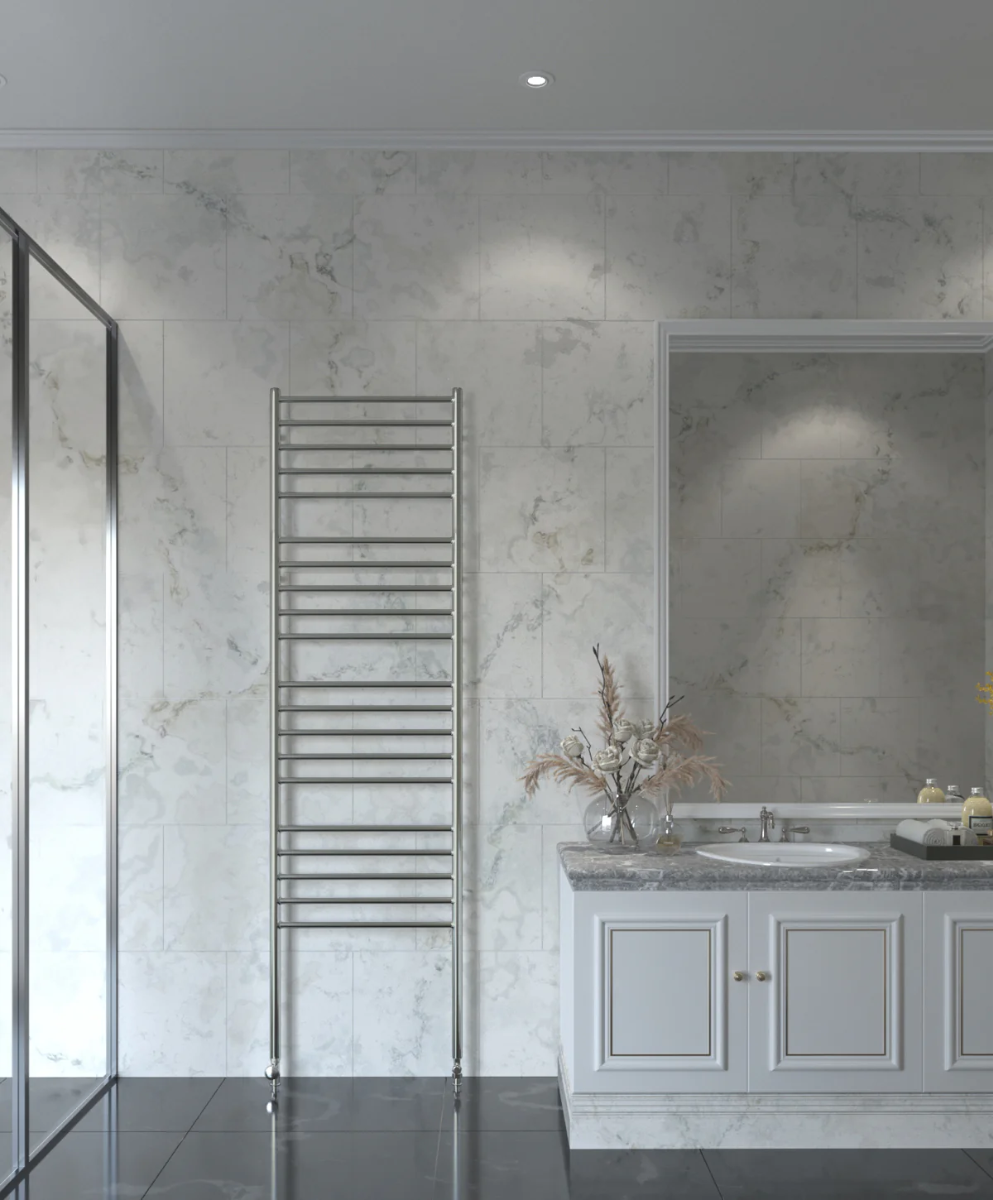
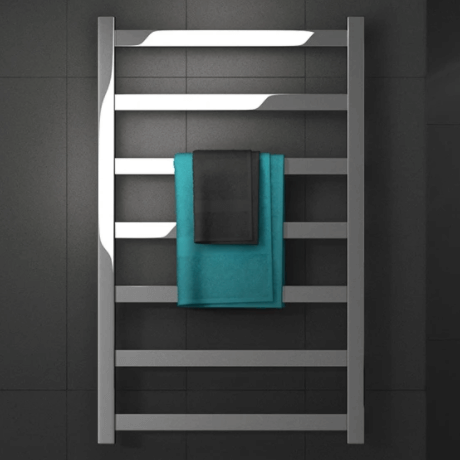
Ladder-style towel rails: The most popular format. Available in single or multiple bar rows for hanging several towels at once.
-
Vertical rails: Space-saving and sleek, ideal for compact bathrooms.
-
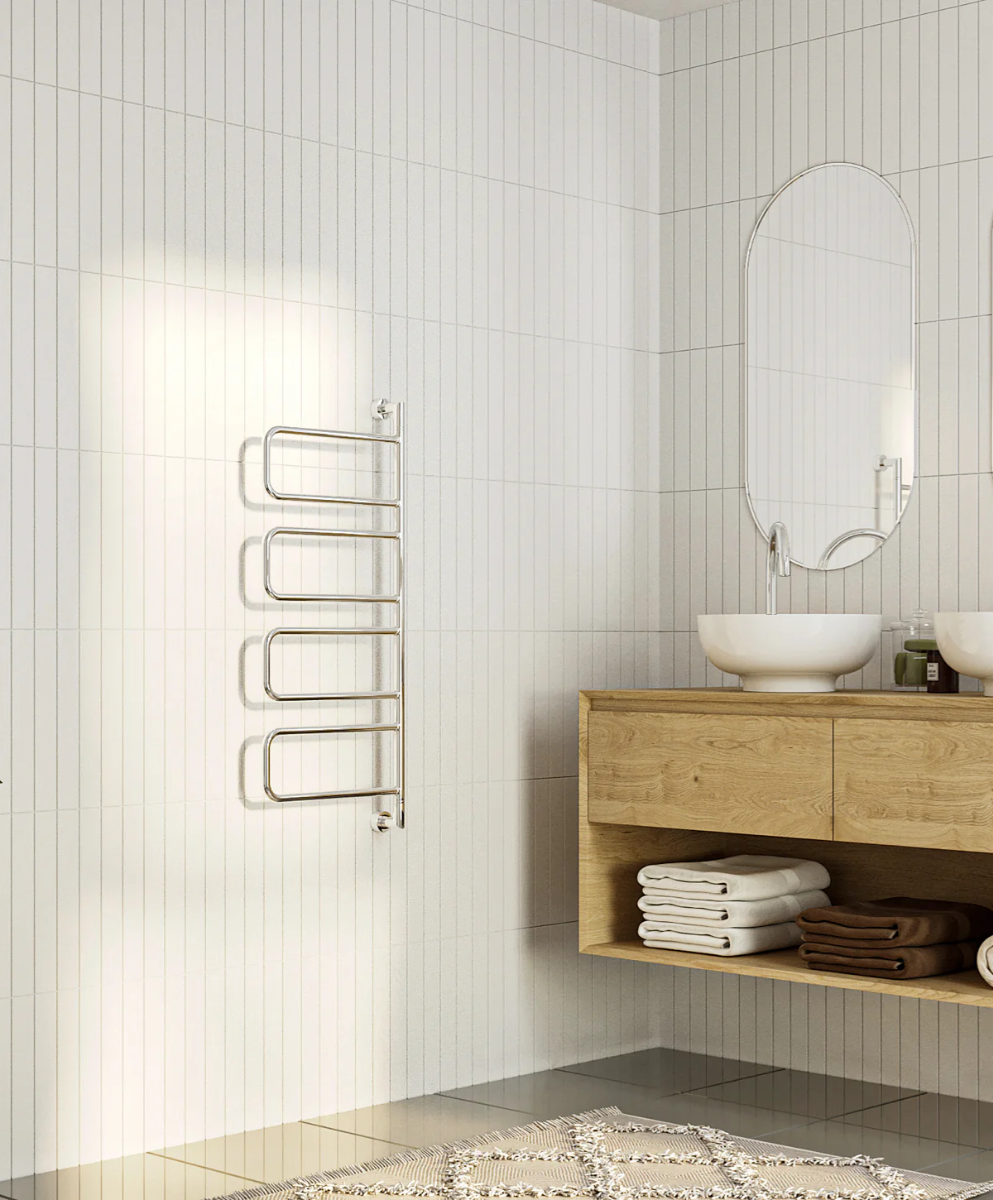
Swivel or rail-on-rail styles: Allow independent bar movement and greater flexibility.
-
Freestanding towel warmers: Plug-in and portable, great for renters or secondary bathrooms.
Tip: The size of your heated towel rail should reflect both your towel volume and the dimensions of your bathroom wall.
Style and Colour Trends in 2025
Gone are the days when chrome was your only option. Australian homeowners now have a wide array of finishes to match their tapware, fixtures, and interior design themes.
Popular Heated Towel Rail Finishes:
-
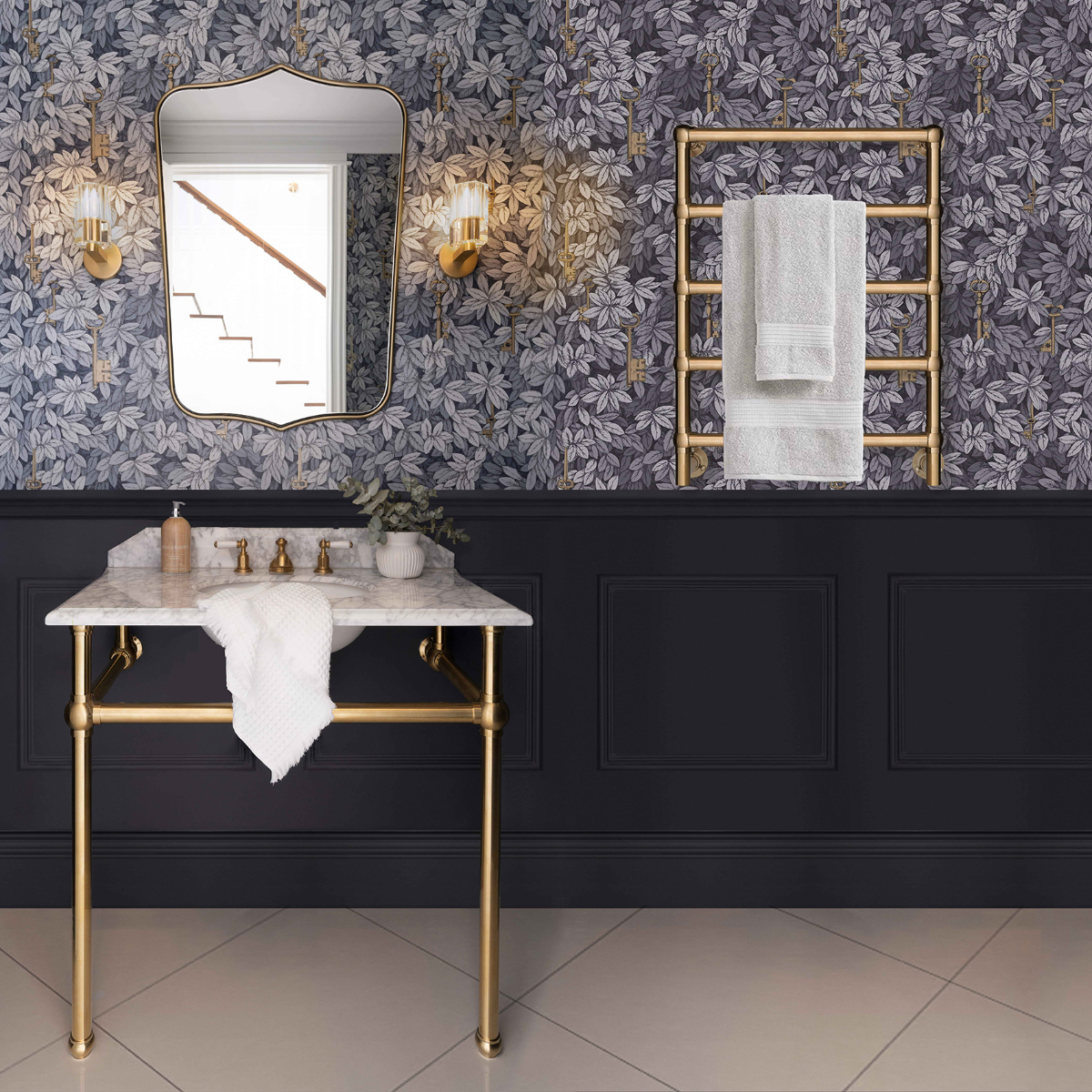
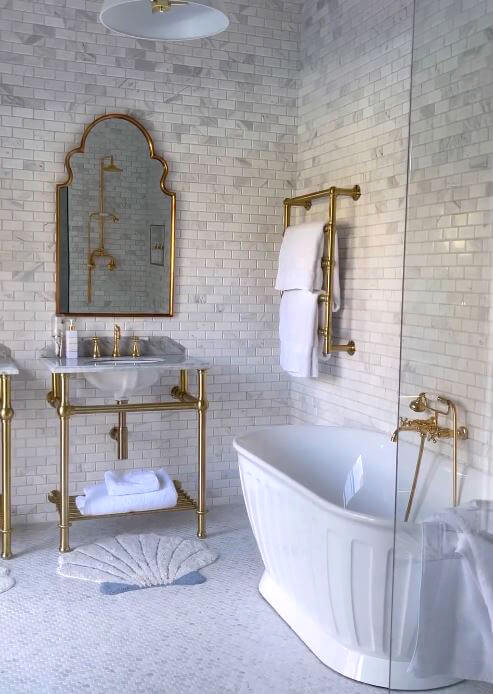
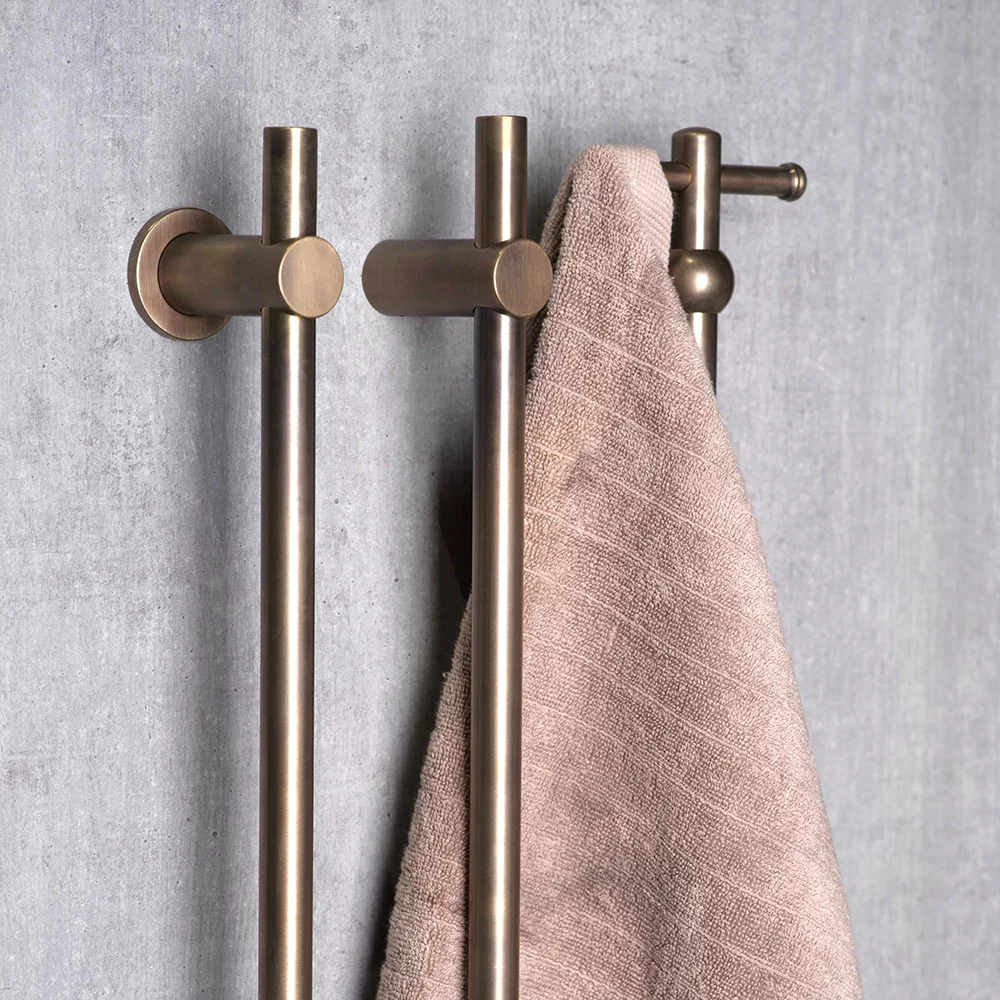
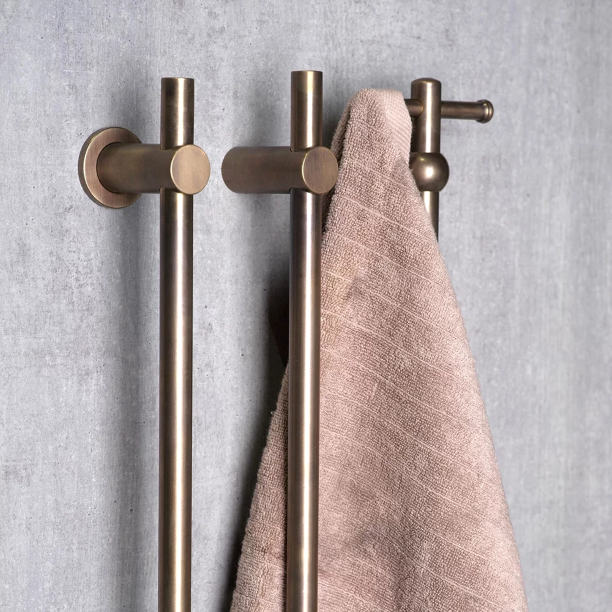
Brushed brass: Warm and luxurious, perfect for coastal or heritage-style bathrooms
-
Matte black: A striking choice for modern or industrial spaces
-
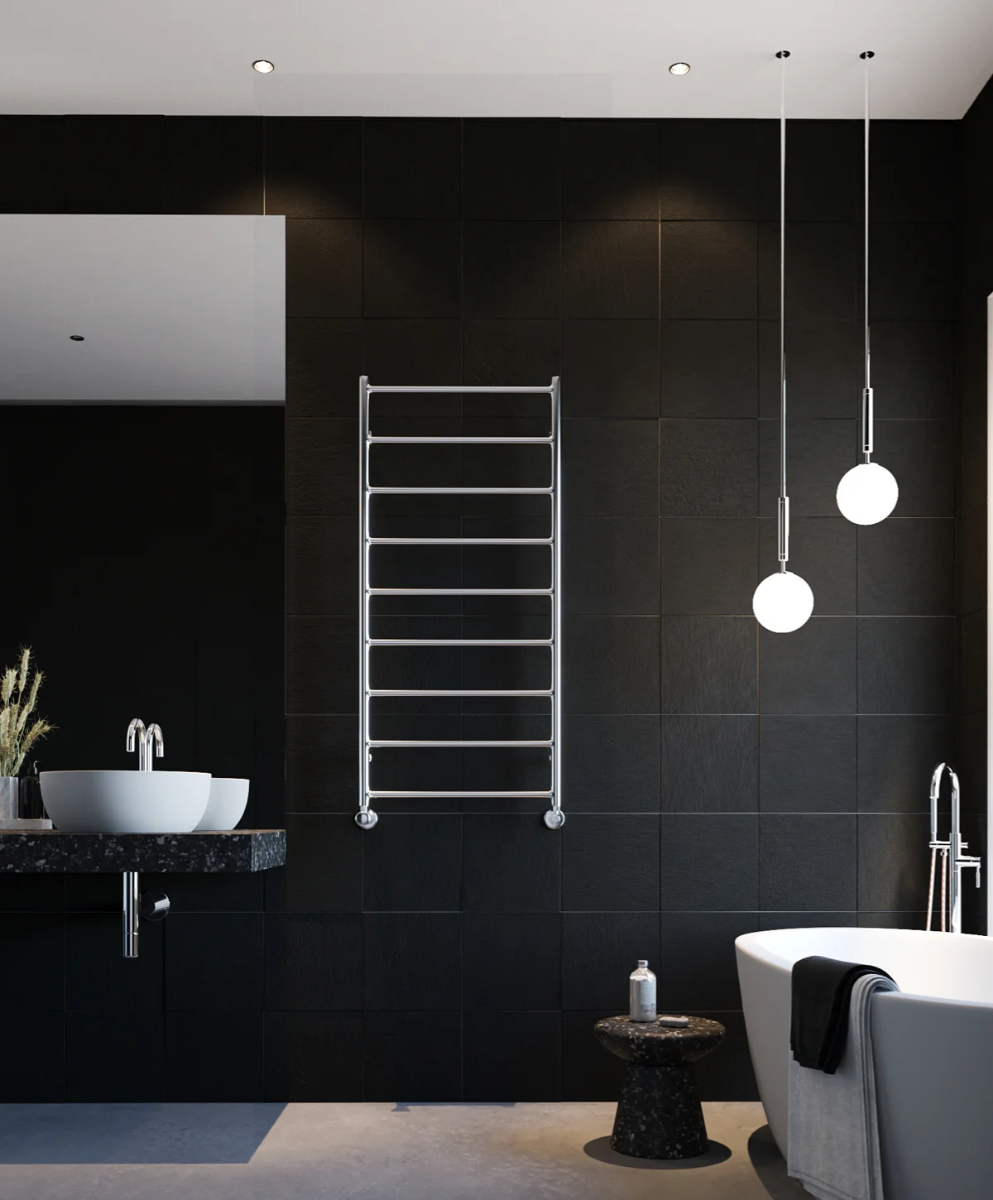
Brushed nickel: Neutral and fingerprint-resistant, ideal for contemporary designs
-
Gunmetal or graphite: Sophisticated and slightly softer than black
-
White powder-coated: Clean and minimal for Scandi or spa-style bathrooms
Matching your towel rail to your tapware and accessories creates a cohesive and visually appealing bathroom space.
Longevity and Maintenance
Electric Heated Towel Rails:
-
Generally require very little maintenance
-
Should be installed by a licensed electrician
-
Check for timer and thermostat compatibility to avoid overuse
Liquid-Filled Rails:
-
May require occasional bleeding to remove air pockets
-
Ensure proper sealing to prevent fluid leaks
-
Long-lasting when professionally installed and maintained
Lifespan tip: High-quality heated towel rails — especially PVD-coated or stainless steel models — can last 10+ years with minimal upkeep.
Energy Efficiency & Performance Comparison
When comparing electric vs hydronic heated towel rails, energy efficiency and usage patterns should guide your decision.
| Feature | Electric (Dry Element) | Liquid-Filled (Hydronic) |
|---|---|---|
| Heat-up Speed | Fast (10–15 mins) | Moderate (15–30 mins) |
| Heat Retention | Low once off | High (retains warmth longer) |
| Energy Efficiency | High for short-term use | High for long-term use |
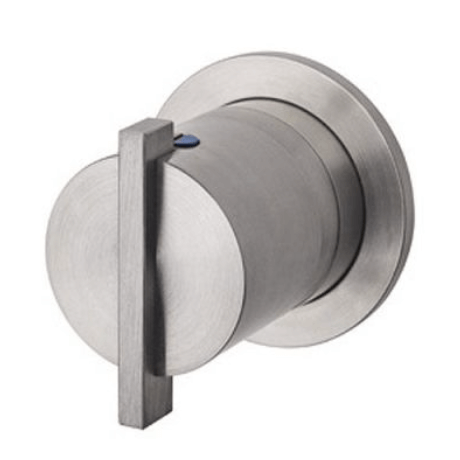
| Control Options | Timer, thermostat, manual | Thermostat or hydronic system |
| Initial Cost | Lower | Higher |
| Running Cost | Moderate | Potentially lower over time |